
Transit Routes from Iran to Europe and Asia Explained

Iran has long been recognized as one of the most strategic transit hubs in the world. Located at the crossroads of Europe, Asia, and the Middle East, the country connects major international markets and serves as a critical land bridge between East and West. Over the past decades, Iran has developed an extensive network of roads, railways, ports, and logistics corridors that make it a central gateway for trade, energy, and goods transportation. Understanding Iran’s key transit routes to Europe and Asia helps businesses, logistics companies, and international traders optimize their shipping operations and reduce transit times.

1. Iran’s Strategic Position in Global Transit

Iran’s geographic location gives it direct access to multiple trade corridors. Bordered by 15 neighboring countries by land and sea, Iran provides one of the shortest and most cost-effective routes for cargo traveling between Asia and Europe. It serves as a connector between the Caspian Sea in the north, the Persian Gulf and the Oman Sea in the south, and major Asian trade hubs like China, India, and Southeast Asia in the east.

This advantageous position has made Iran a vital part of several international transport initiatives, including:

  • The International North–South Transport Corridor (INSTC)
  • The Silk Road Economic Belt (part of China’s Belt and Road Initiative)
  • Transit corridors linking Central Asia to Europe via Turkey and the Caucasus

These routes not only boost Iran’s trade potential but also give foreign logistics companies access to emerging markets in the Middle East, Central Asia, and beyond.
2. Main Transit Routes from Iran to Europe

Iran’s western corridors play a significant role in connecting Asian countries to European markets. Some of the key routes include:

  1. The Iran–Turkey–Europe Corridor

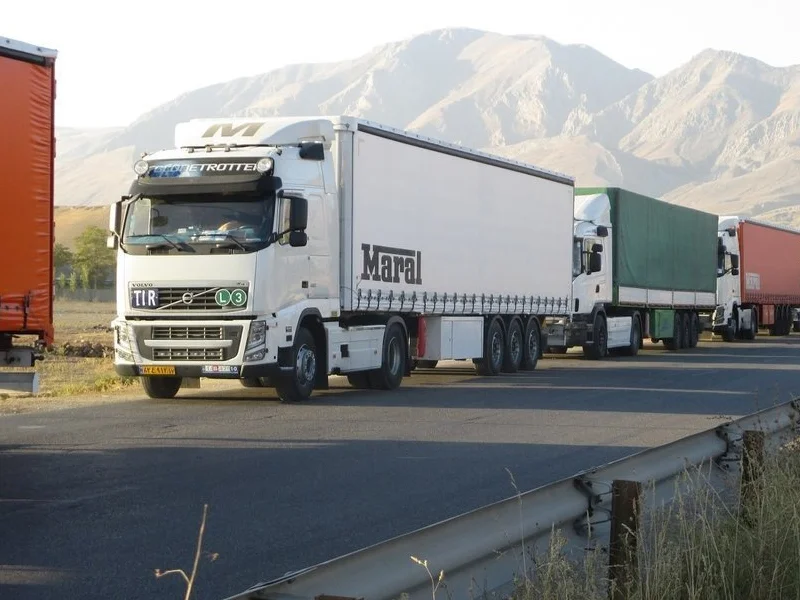
This is the most widely used overland route connecting Iran to Europe. Goods are transported from Iranian cities such as Tehran or Tabriz to Turkey via Bazargan or Razi border crossings. From there, they continue through Turkey into European countries like Bulgaria, Romania, Hungary, and Germany.

  • Advantages: Fast road access, modern customs facilities, and integration with European road networks.
  • Uses: Ideal for trucks, trailers, and time-sensitive shipments.
  1. The Iran–Azerbaijan–Russia–Europe Route (INSTC)

As part of the International North–South Transport Corridor, this route links Iran to Russia via Azerbaijan and then extends into Northern and Eastern Europe. The journey often combines road, rail, and maritime transport.

  • Advantages: Lower costs compared to traditional sea routes through the Suez Canal.
  • Uses: Suitable for heavy cargo, containers, and energy products.
  1. The Iran–Armenia–Georgia–Black Sea–Europe Route

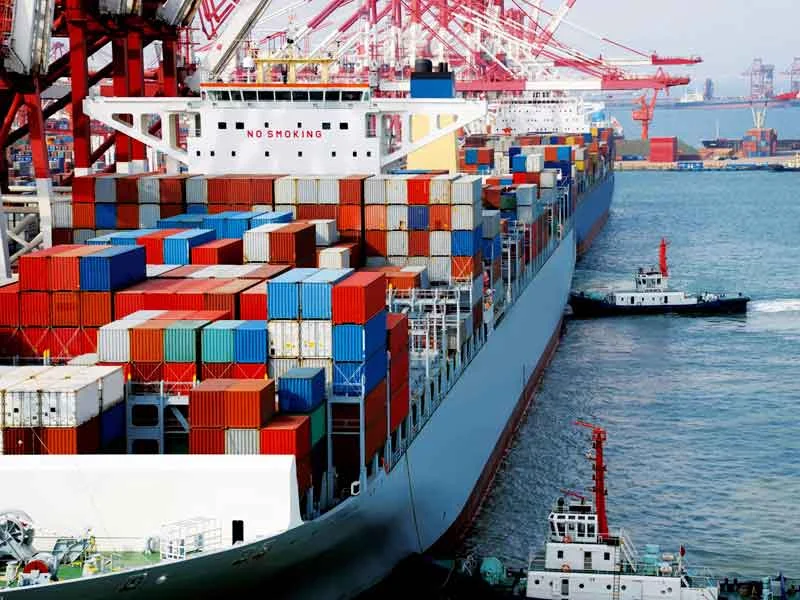
This corridor connects Iran to the Black Sea ports of Georgia, where goods can be shipped by sea to European destinations.

  • Advantages: Multi-modal transport combining road and maritime logistics.
  • Uses: Useful for goods headed toward the Balkans, Southern, and Eastern Europe.